Understanding the Legal Landscape of Hemp Farming in Ireland


Introduction to Hemp Farming in Ireland
Hemp farming in Ireland is gaining momentum, driven by the crop's versatility and potential economic benefits. However, understanding the legal framework is crucial for anyone looking to enter this burgeoning industry. This blog post delves into the key legal aspects of hemp farming in Ireland, providing a comprehensive guide for potential growers.

Licensing Requirements
One of the first steps in hemp farming is obtaining the necessary licenses. In Ireland, growing industrial hemp requires a license from the Health Products Regulatory Authority (HPRA). The process involves stringent checks to ensure compliance with EU regulations, particularly regarding the THC content, which must be less than 0.2%.
Prospective farmers must submit detailed applications, including information about the cultivation site and the intended use of the hemp. It's important to note that licenses must be renewed annually, and non-compliance can lead to significant penalties.
Regulations on THC Content
The legal framework in Ireland stipulates that industrial hemp must have a THC content of less than 0.2%. This regulation aligns with EU standards and is a critical factor that differentiates hemp from other cannabis plants. Farmers must regularly test their crops to ensure compliance, which can involve third-party lab tests.
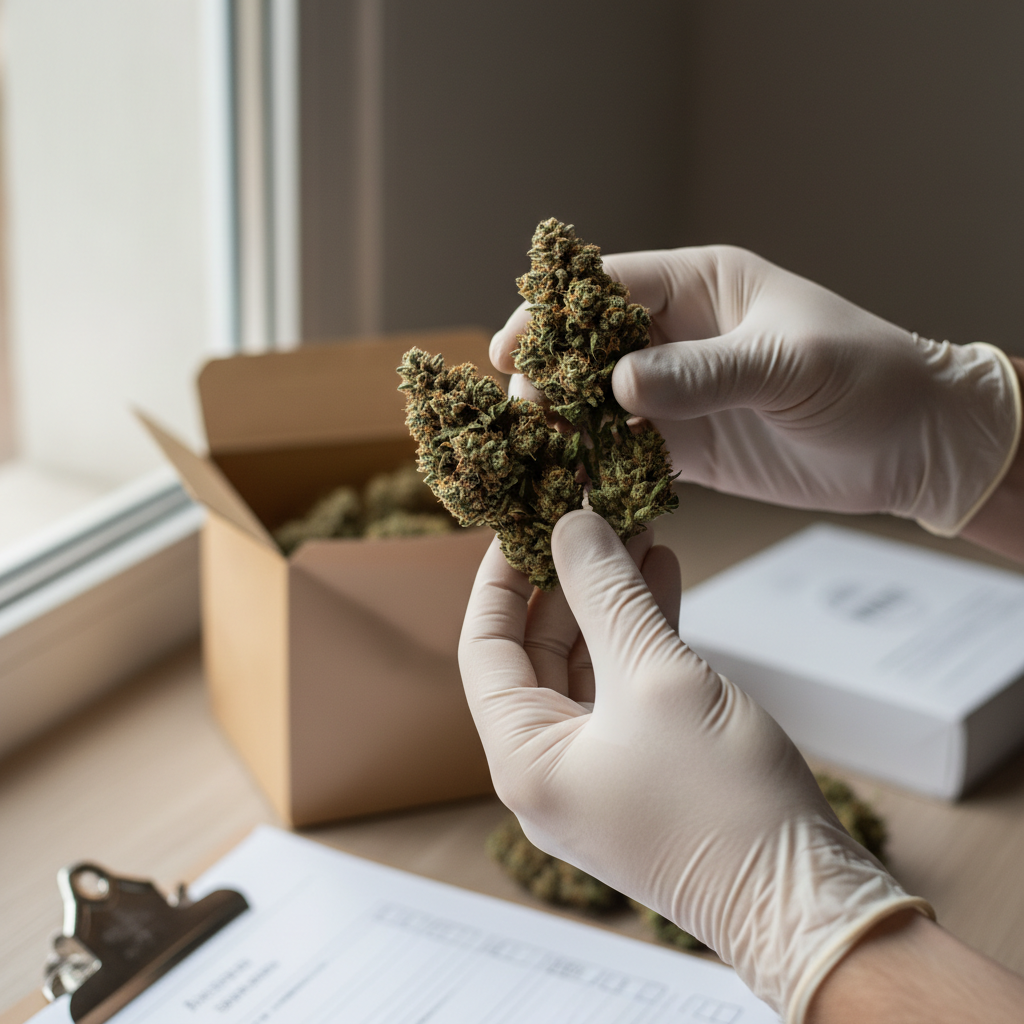
Failure to adhere to the THC limit can result in the destruction of the crop and loss of the license, emphasizing the importance of strict monitoring and control measures throughout the cultivation process.
Environmental and Land Use Considerations
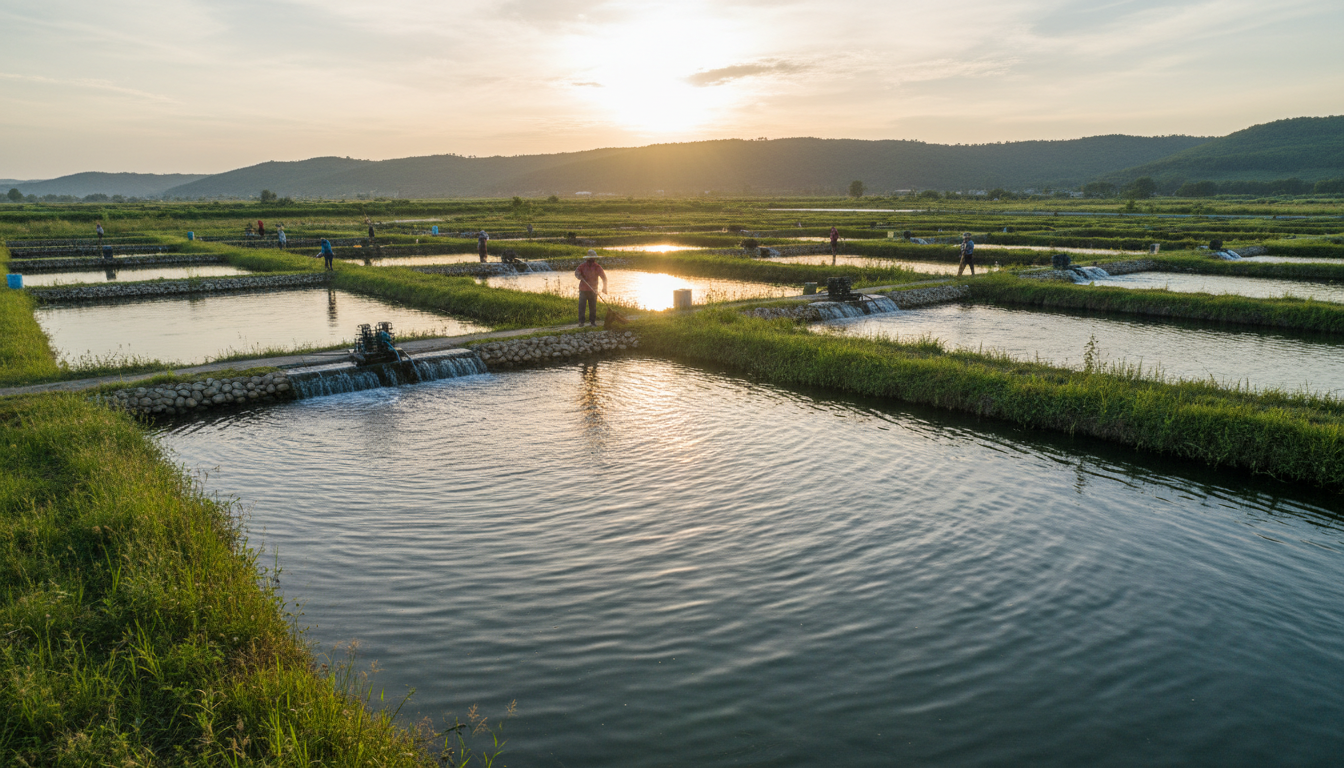
Hemp farming has specific environmental and land use considerations. The crop is known for its ability to thrive in various soil types, but farmers must ensure that their practices are sustainable and environmentally friendly. Compliance with local environmental regulations is essential to avoid any legal issues.
Farmers are encouraged to implement sustainable practices, such as crop rotation and organic farming techniques, to enhance soil health and reduce environmental impact.
Market Opportunities and Challenges
While the hemp industry offers numerous opportunities, it is not without its challenges. The market for hemp products, including textiles, oils, and CBD products, is growing, but navigating the regulatory landscape can be complex. Understanding market demands and staying informed about regulatory changes are crucial for success.
Networking with other growers and industry experts can provide valuable insights and support. Joining industry associations can also be beneficial, offering resources and advocacy for hemp farmers.
Conclusion
Understanding the legal landscape of hemp farming in Ireland is essential for anyone considering entering this promising industry. By staying informed about licensing, THC regulations, environmental considerations, and market dynamics, farmers can successfully navigate the complexities of hemp cultivation. With careful planning and compliance, the potential rewards of hemp farming are significant.