Understanding Hemp Farming: From Seed to CBD


Introduction to Hemp Farming
Hemp farming has gained significant traction in recent years, primarily due to the growing demand for CBD products. Understanding the journey from seed to CBD is crucial for anyone interested in this thriving industry. Hemp is a versatile plant, celebrated for its numerous uses and benefits. In this post, we'll explore the essential steps involved in hemp farming, from planting seeds to extracting CBD.
Choosing the Right Seeds
The first step in hemp farming is selecting the right seeds. This decision can greatly impact the quality and yield of the crop. Farmers must consider factors such as climate, soil conditions, and the intended use of the hemp. There are various strains of hemp, each with unique characteristics. Some are better suited for fiber production, while others are ideal for CBD extraction.
Factors to Consider
When choosing seeds, farmers should focus on:
- THC content: Legal hemp must contain less than 0.3% THC.
- CBD yield: Strains with higher CBD levels are preferred for extraction.
- Growth cycle: Some strains mature faster, allowing for multiple harvests per year.
Planting and Growing Hemp
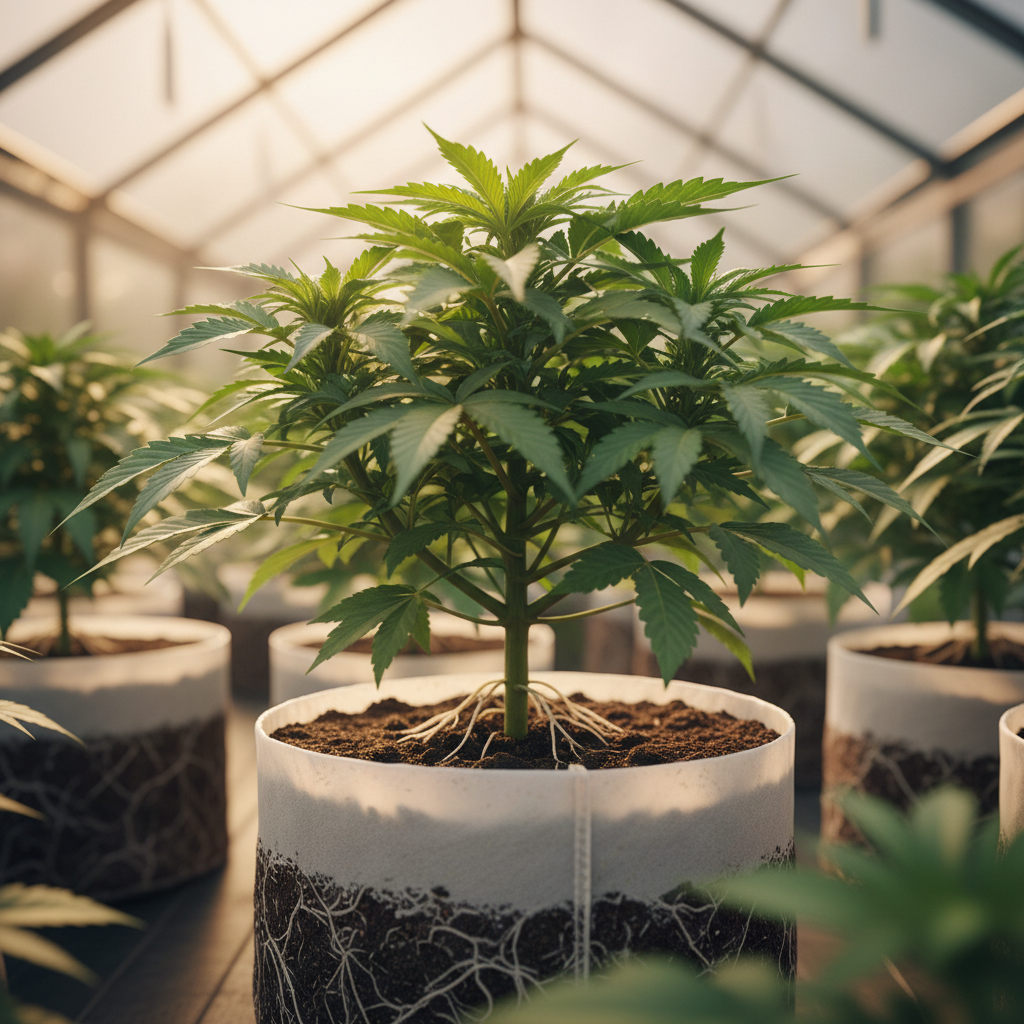
Once the seeds are selected, the next step is planting. Hemp requires well-drained soil and ample sunlight. Farmers should ensure proper spacing to allow for optimal growth and airflow. Hemp is a hardy plant, but it still requires attention to detail regarding soil nutrients and pest control.
Soil and Nutrient Management
Healthy soil is essential for robust hemp growth. Farmers often conduct soil tests to determine nutrient levels and pH balance. Organic fertilizers and compost are commonly used to enrich the soil. Additionally, hemp has natural pest-resistant properties, reducing the need for chemical pesticides.
Harvesting Hemp
Timing is critical when harvesting hemp. The plants must be harvested at the right moment to maximize CBD content. Typically, hemp is ready for harvest around 100 to 120 days after planting. Farmers must monitor the plants closely, looking for signs of maturity such as trichome color changes.
Harvesting Techniques
There are various methods for harvesting hemp, including hand-harvesting and mechanized cutting. Each method has its advantages and depends on the scale of the operation. Hand-harvesting allows for more precise selection, while mechanized cutting is efficient for larger fields.
Extracting CBD
After harvesting, the next step is extracting CBD from the hemp plants. This process involves separating the valuable cannabinoids from the plant material. There are several extraction methods, including CO2 extraction, ethanol extraction, and oil infusion. Each method has its pros and cons, affecting the purity and quality of the final product.
Ensuring Quality and Safety
Quality control is vital in CBD extraction. Reputable producers conduct third-party lab testing to ensure their products are free from contaminants and contain accurate CBD levels. This step is crucial for consumer safety and trust.
Conclusion
Understanding the journey from seed to CBD is essential for anyone interested in hemp farming. Each step, from selecting the right seeds to extracting high-quality CBD, requires careful consideration and expertise. As the demand for CBD products continues to grow, so does the importance of sustainable and efficient hemp farming practices.