Understanding CBD Regulations in Ireland: What You Need to Know


Introduction to CBD Regulations in Ireland
Understanding the legal landscape of CBD in Ireland is crucial for businesses and consumers alike. As CBD products gain popularity, knowing the regulations helps ensure compliance and safety. This post will guide you through the essential aspects of CBD regulations in Ireland.
What is CBD?
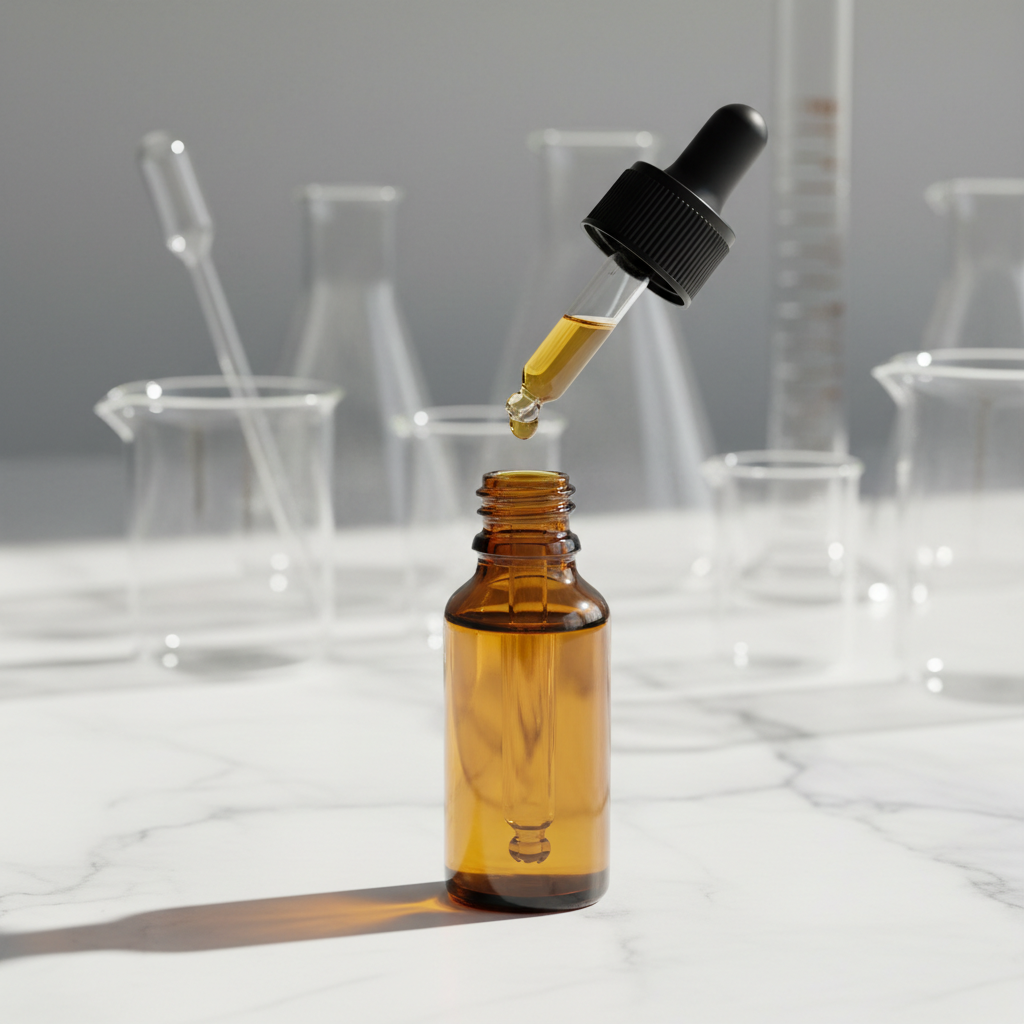
Cannabidiol (CBD) is a non-psychoactive compound found in cannabis plants. Unlike THC, CBD does not induce a high, making it a popular choice for those seeking therapeutic benefits without psychoactive effects. Its legal status varies globally, which makes understanding local laws vital.
Legal Status of CBD in Ireland
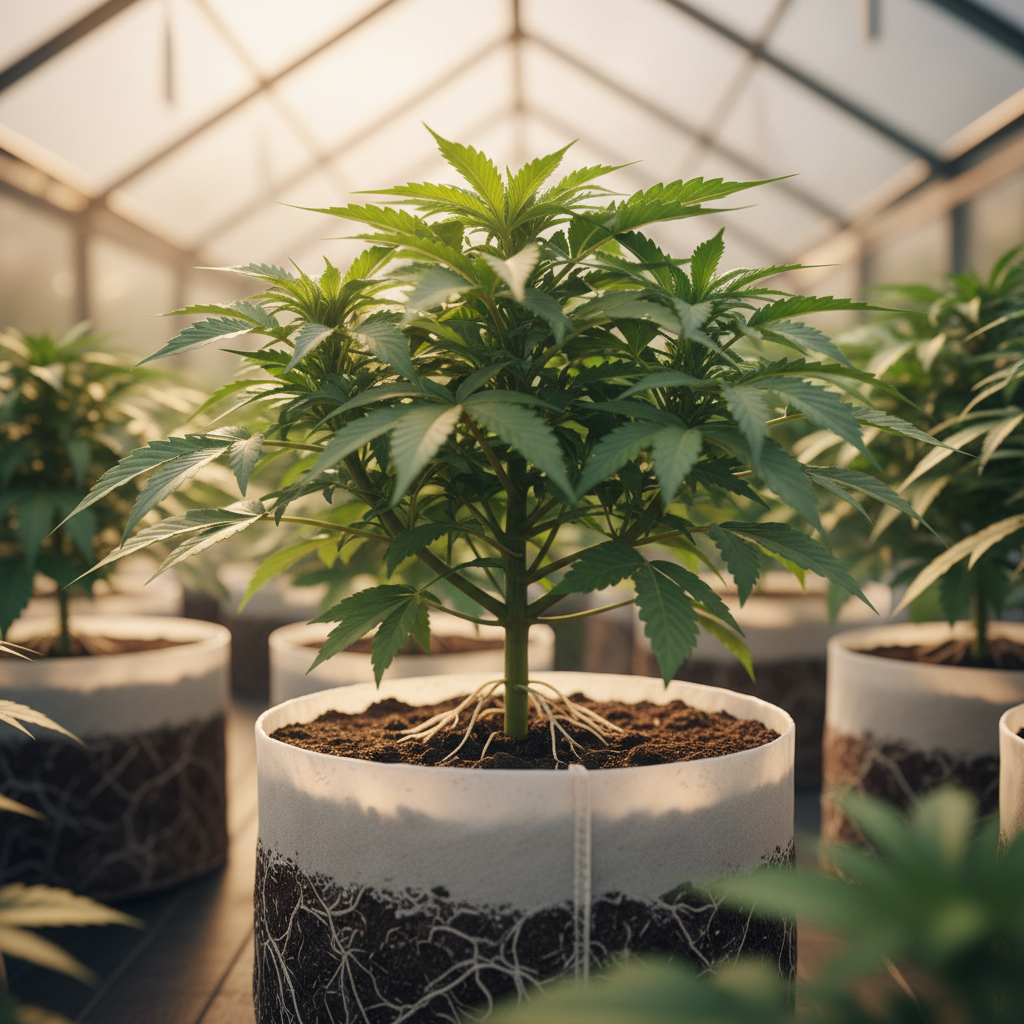
In Ireland, CBD is legal as long as it contains less than 0.2% THC. This threshold aligns with EU regulations, distinguishing it from cannabis, which remains illegal. Products must be derived from approved hemp strains to comply with the law.
Regulatory Authorities
The Health Products Regulatory Authority (HPRA) and the Food Safety Authority of Ireland (FSAI) play significant roles in overseeing CBD products. They ensure that products meet safety and quality standards, protecting consumers from potential risks.
HPRA Guidelines
The HPRA classifies CBD as a food supplement rather than a medicine. This distinction means that health claims must be substantiated and products cannot be marketed as medicinal. Compliance with these guidelines is essential for businesses.

Importing and Selling CBD Products
Businesses importing or selling CBD in Ireland must adhere to strict regulations. This includes ensuring that products are THC-compliant and properly labeled. Accurate labeling is crucial to inform consumers and avoid legal issues.
Labeling Requirements
- Clear indication of CBD content
- THC content below 0.2%
- Health claims supported by evidence
Consumer Considerations
For consumers, understanding these regulations means making informed choices. Always purchase from reputable sources and check for proper labeling. Being aware of the legal status and guidelines helps ensure safety and compliance.

Conclusion
The CBD industry in Ireland is evolving, with regulations designed to protect consumers and support legitimate businesses. By understanding these regulations, businesses can thrive, and consumers can enjoy CBD products with confidence. Staying informed is key to navigating this dynamic market.