The Impact of Irish Climate on Hemp Farming


The Irish Climate: A Unique Influence on Hemp Farming
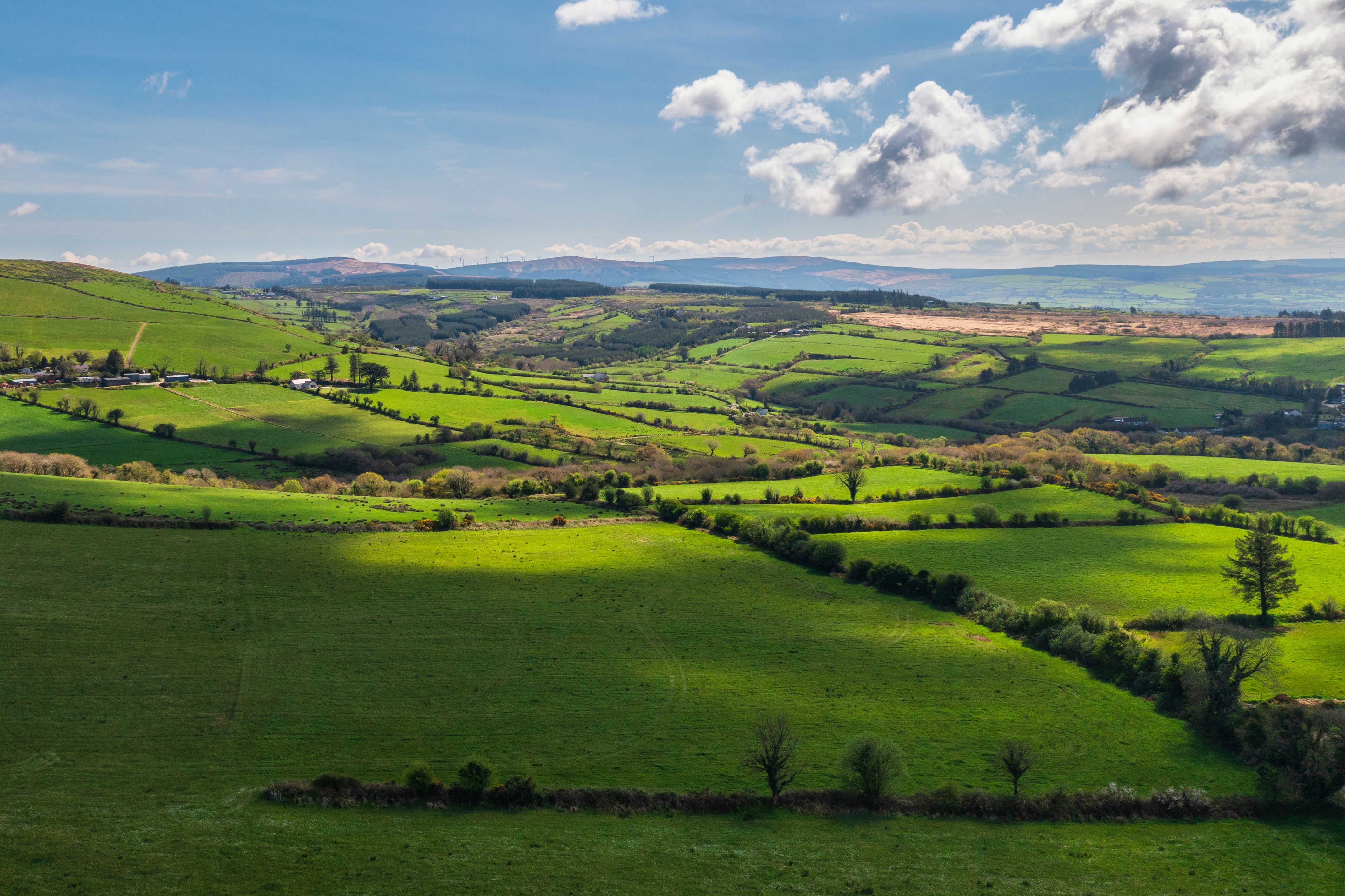
Hemp farming in Ireland is gaining popularity, but the unique Irish climate plays a significant role in shaping its cultivation. The temperate maritime climate, characterized by mild winters and cool summers, offers both challenges and opportunities for hemp growers.
Optimal Growing Conditions
The mild temperatures in Ireland create an environment where hemp plants can thrive without the stress of extreme heat or cold. This is beneficial for maintaining the delicate balance required for hemp growth. Additionally, the abundant rainfall ensures that the plants are well-hydrated, reducing the need for artificial irrigation.
However, the high humidity levels can be a double-edged sword. While they support lush growth, they also increase the risk of mold and mildew, which can be detrimental to hemp crops. Farmers often need to implement strategies to mitigate these risks, such as ensuring adequate airflow and selecting mold-resistant strains.
Soil Quality and Nutrient Management
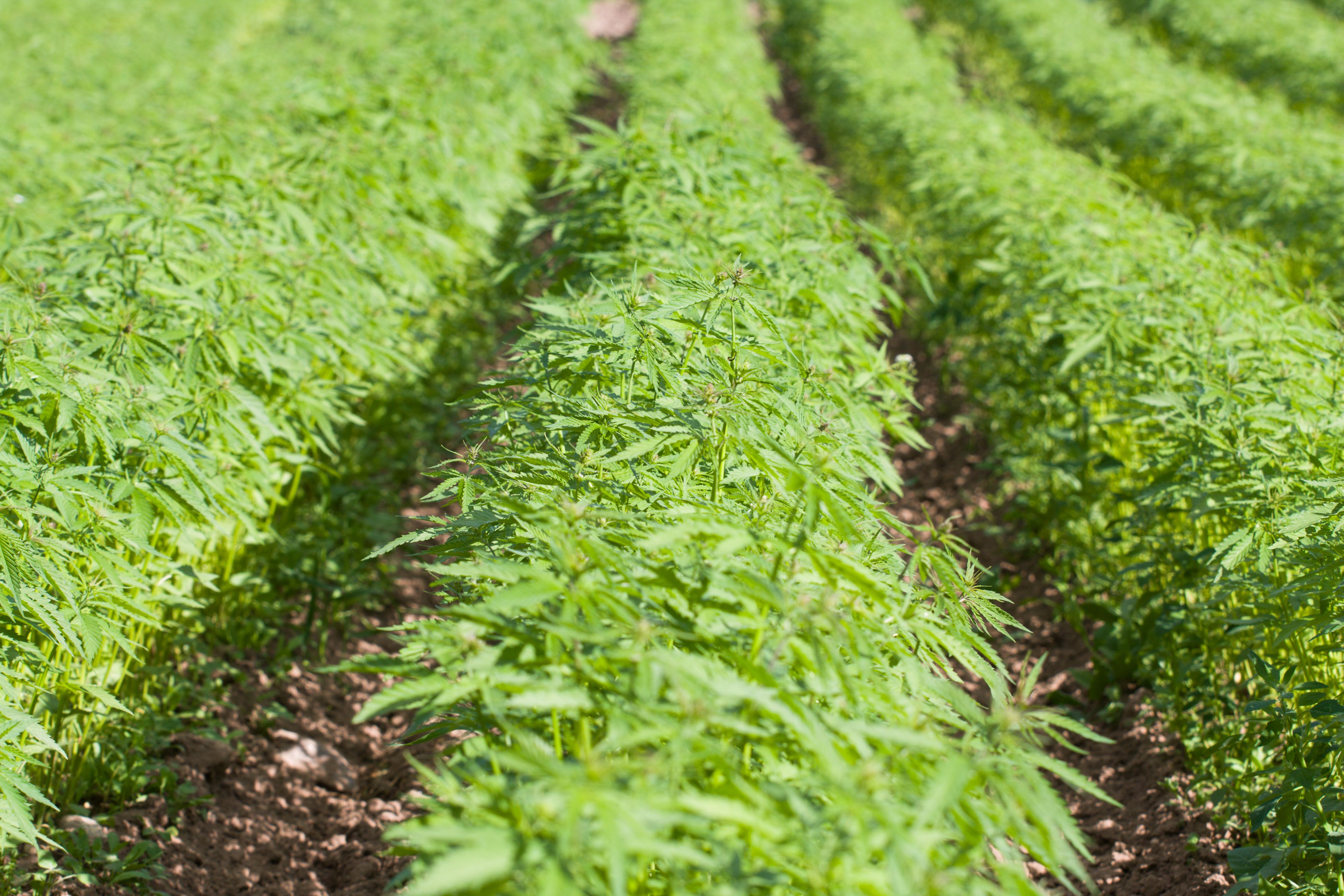
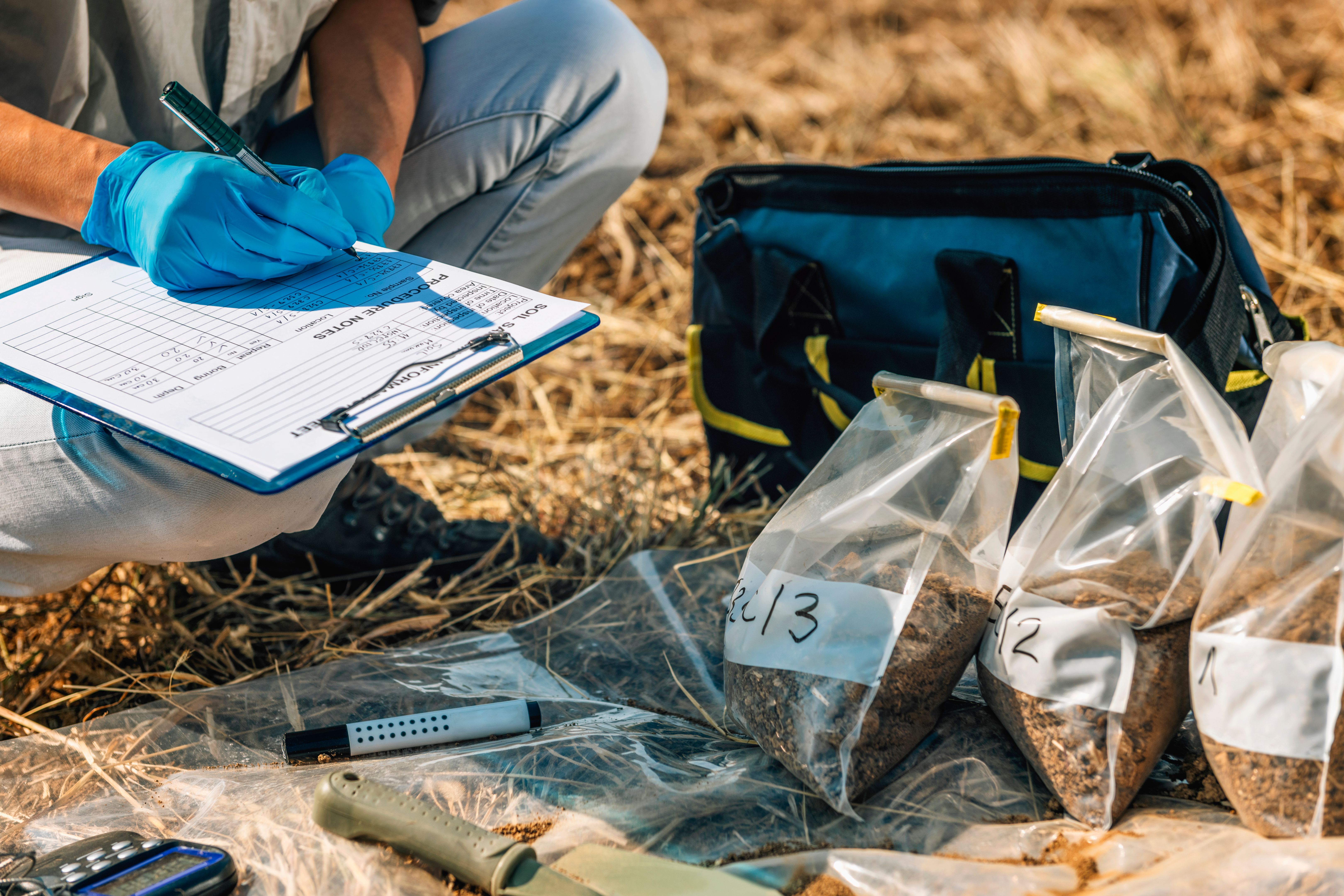
Irish soil, rich in organic content, provides a fertile ground for hemp cultivation. The well-drained, loamy soils are ideal for hemp roots to establish themselves. However, continuous monitoring and management of soil pH and nutrient levels are crucial to ensure optimal growth.
Farmers often employ sustainable farming practices, such as crop rotation and organic fertilizers, to maintain soil health. This not only enhances hemp yield but also contributes to the broader environmental benefits of sustainable agriculture.
Adapting to Seasonal Changes
The unpredictable nature of Irish weather requires hemp farmers to be adaptable. Seasonal changes can affect planting and harvesting times, necessitating a flexible approach to farming schedules. Understanding weather patterns and utilizing local knowledge can significantly improve crop outcomes.
Farmers may leverage technology, such as weather forecasting tools and climate data analysis, to make informed decisions about their crops. This proactive approach helps in mitigating potential losses and maximizing productivity.
Conclusion: A Promising Future
Despite the challenges posed by the Irish climate, hemp farming holds great promise in the region. With careful management and adaptation to local conditions, farmers can harness the natural advantages offered by the environment. The growing interest in hemp is not only a testament to its economic potential but also its role in sustainable agriculture.
As Ireland continues to explore and expand its hemp industry, the interplay between climate and cultivation will remain a pivotal factor in its success. Embracing innovative farming techniques and leveraging climatic strengths can pave the way for a thriving hemp sector in Ireland.