Seasonal Hemp Farming Tips for Optimal CBD Oil Production


As the popularity of CBD oil continues to grow, many farmers are turning to hemp cultivation to meet the increasing demand. However, to ensure optimal CBD oil production, it's crucial to understand the seasonal aspects of hemp farming. This guide provides essential tips to maximize your harvest and produce high-quality CBD oil.
Understanding Hemp Growth Cycles
Hemp is a versatile plant that requires careful attention to its growth cycles. Understanding these cycles is key to optimizing CBD oil production. Hemp plants typically go through four main stages: germination, vegetative, flowering, and harvesting. Each stage demands specific care and conditions to thrive.
Germination and Seed Selection
The first step in successful hemp farming is selecting the right seeds. Choose seeds that are high in CBD and low in THC to comply with legal requirements. The germination stage is critical, as strong seedlings form the foundation of a healthy crop. Ensure the seeds are planted in well-drained soil and receive sufficient moisture and warmth.
Optimal Planting Times
Timing is everything in hemp farming. Planting at the right time ensures your crop benefits from favorable weather conditions. For most climates, the best time to plant hemp is late spring, after the last frost. This timing allows plants to mature during the long, sunny days of summer, maximizing their CBD content.
Soil Preparation and Nutrients
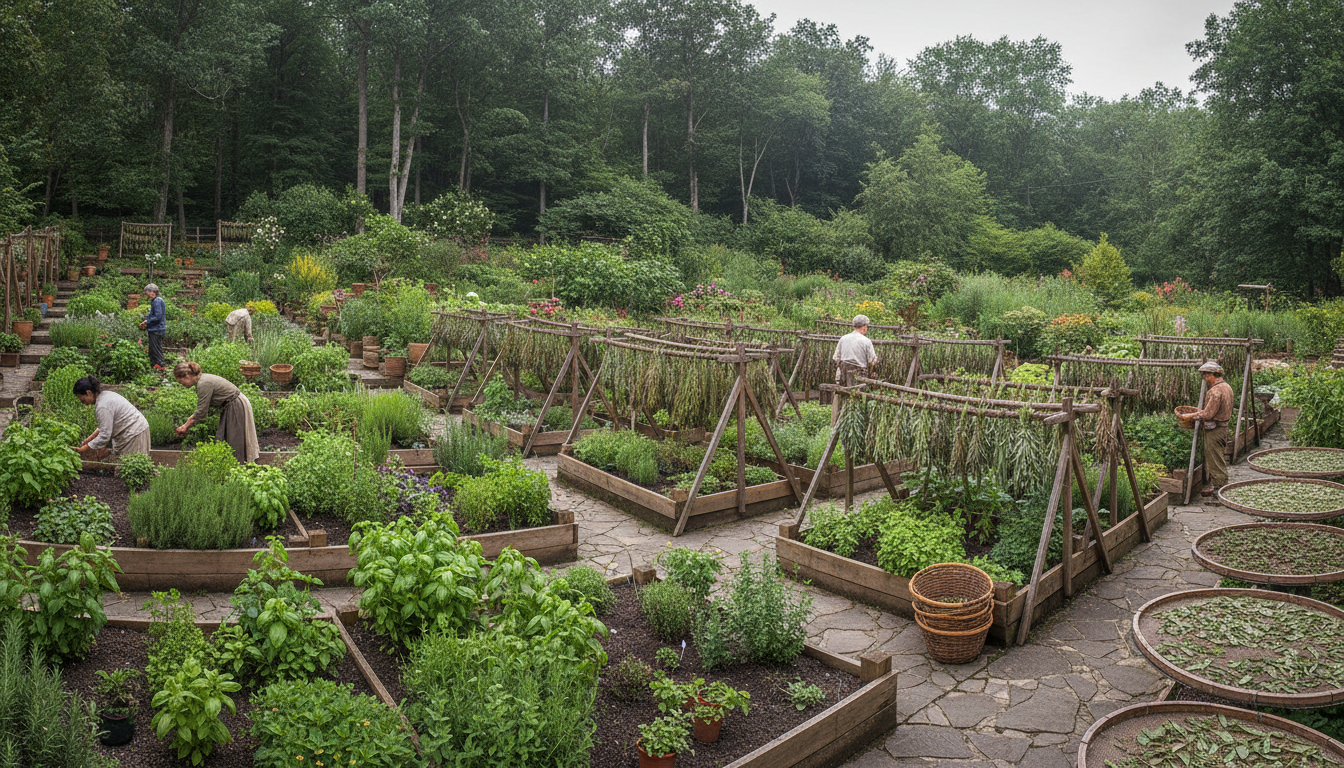
Soil quality plays a significant role in hemp growth. Conduct a soil test to determine pH levels and nutrient content. Hemp thrives in well-aerated, loamy soil with a pH between 6 and 7.5. Incorporate organic matter and balanced fertilizers to provide essential nutrients throughout the growth cycle.
Managing Pests and Diseases
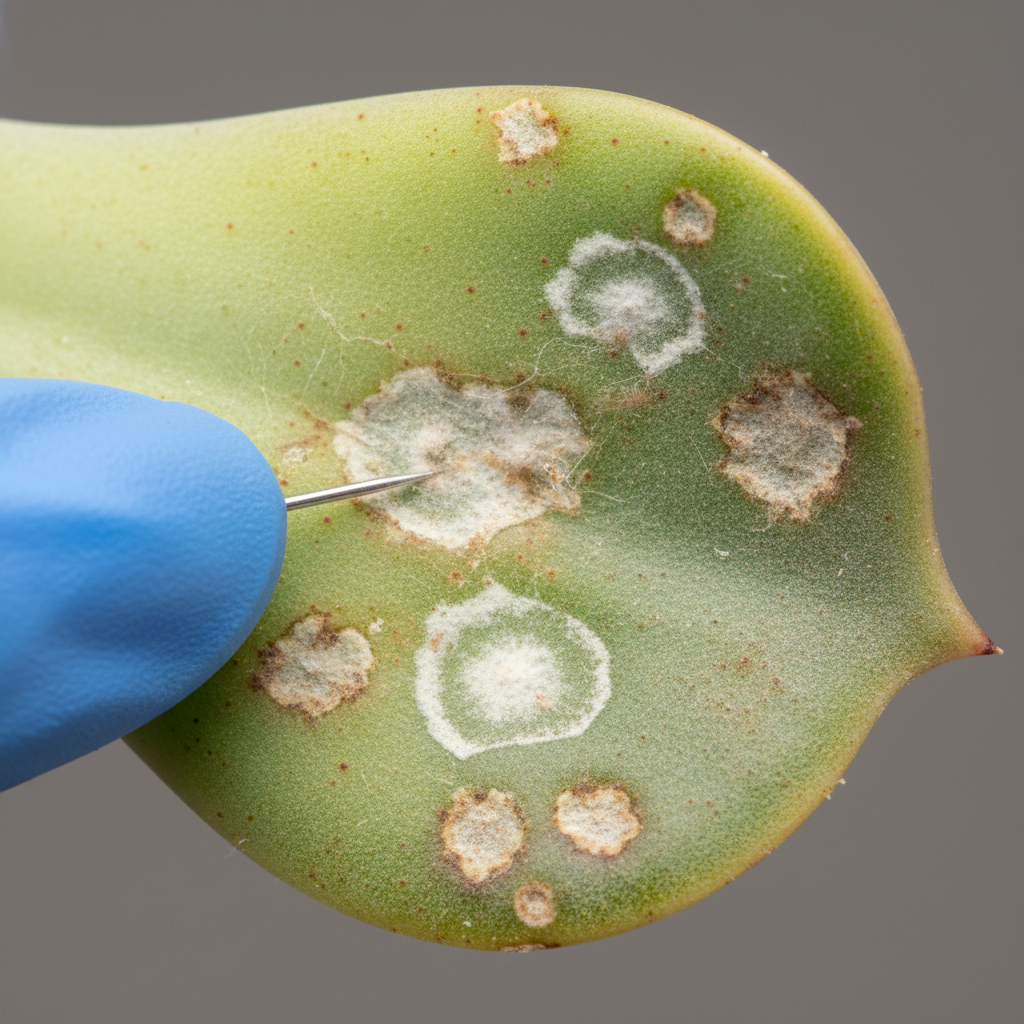
Pests and diseases can significantly impact CBD oil yield. Implement integrated pest management strategies to protect your crops. Regularly inspect plants for signs of infestation, such as discoloration or stunted growth, and use organic pesticides when necessary. Rotate crops each season to prevent soil-borne diseases.
Irrigation and Water Management
Proper irrigation is crucial for healthy hemp plants. While hemp is drought-resistant, consistent watering is necessary during dry spells. Overwatering can lead to root rot, so it's important to monitor soil moisture levels. Drip irrigation systems are an efficient option to provide steady moisture without waterlogging the soil.
Harvesting for Maximum CBD Content
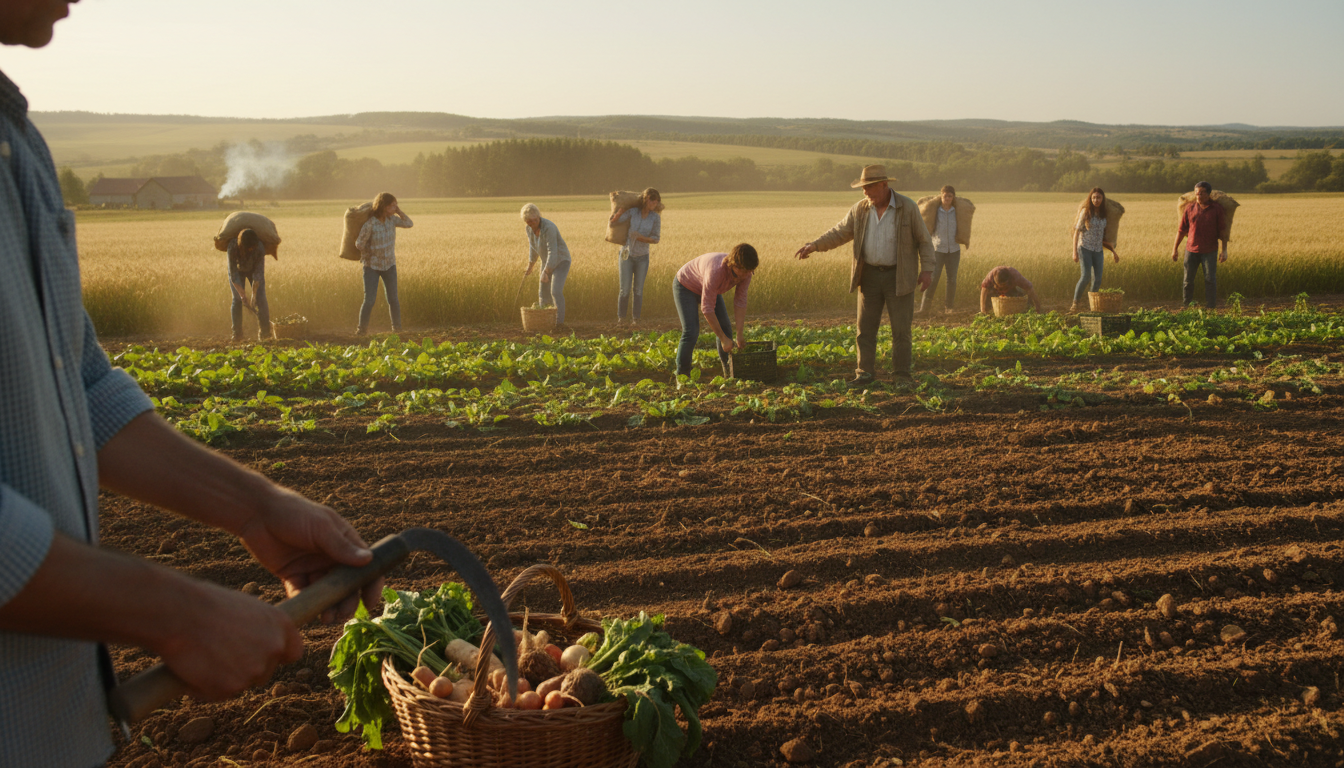
The timing of your harvest can greatly affect the CBD content of your oil. Harvest when the trichomes on the plants are milky white, indicating peak CBD levels. Use clean, sharp tools to cut the plants, and handle them carefully to preserve the trichomes. Proper drying and curing are essential to maintain the quality of your CBD oil.
By following these seasonal hemp farming tips, you can optimize your CBD oil production and ensure a high-quality product. Whether you're a seasoned farmer or new to hemp cultivation, these strategies will help you make the most of your harvest.