Preparing Your Hemp Farm for Seasonal Changes: Best Practices


Understanding Seasonal Changes
As a hemp farmer, being aware of the seasonal changes and their impact on your crop is crucial. Different seasons bring unique challenges and opportunities. Preparing your farm to adapt effectively can make a significant difference in yield and quality.
Seasonal changes affect factors such as temperature, humidity, and daylight hours, all of which influence hemp growth. Knowing what to expect each season helps you plan and implement strategies to optimize your farm’s performance.
Preparing for Spring
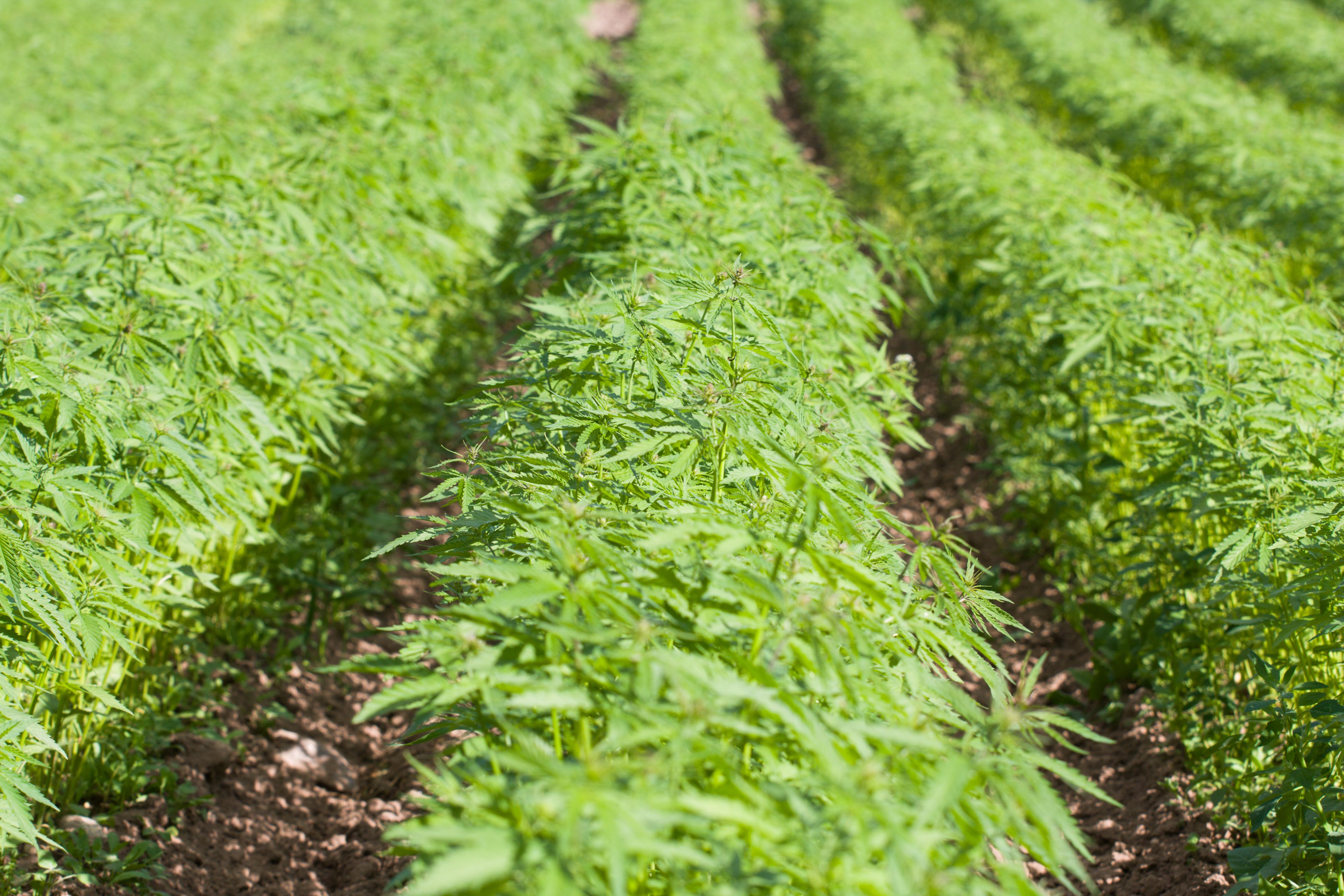
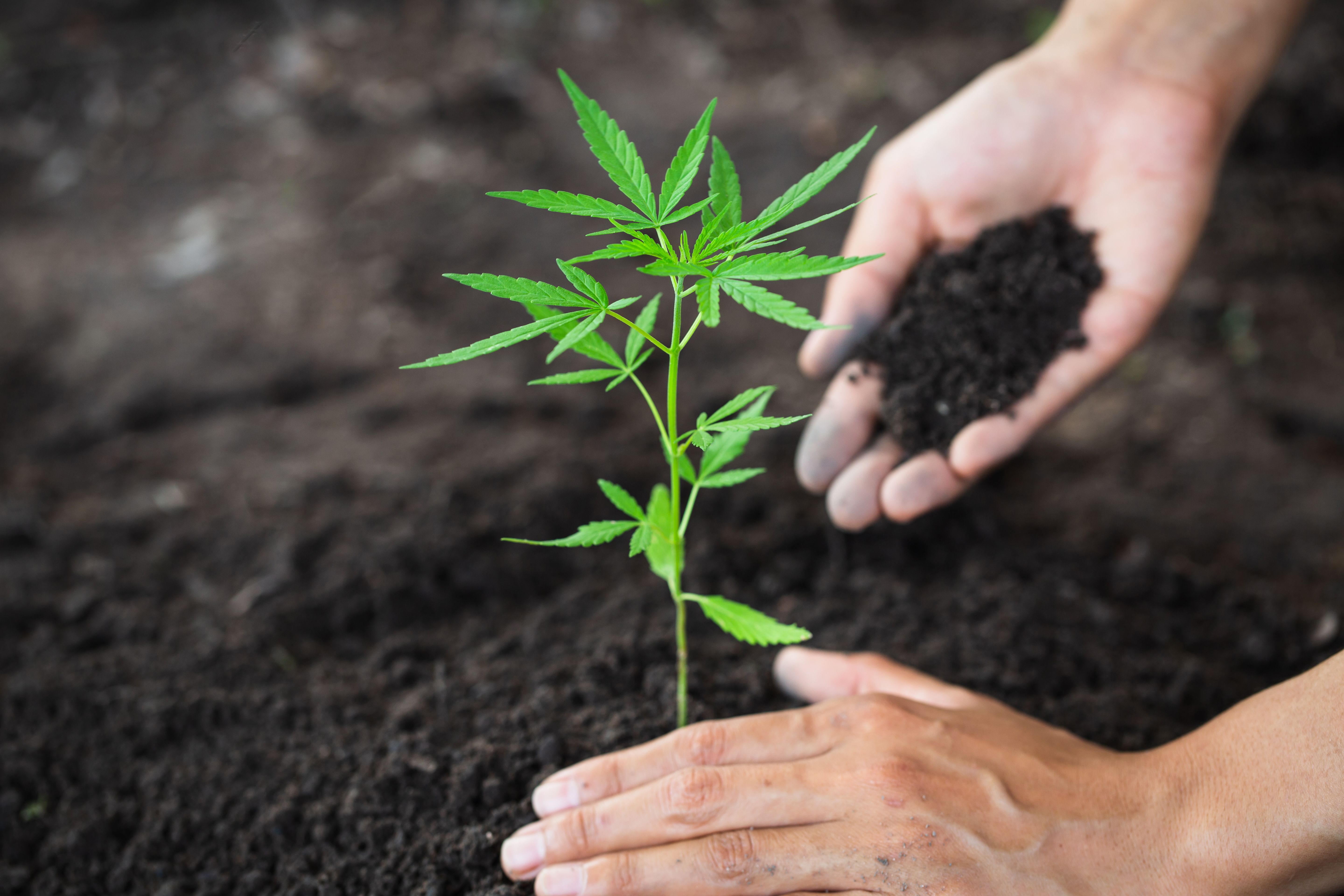
Spring marks the beginning of the growing season for hemp. It’s a time to focus on soil preparation and planting. Begin by testing your soil to understand its nutrient composition and make any necessary amendments.
Ensure your farm's irrigation system is ready for the increased water demand during this growing phase. Regularly check for any leaks or blockages in irrigation lines to maintain optimal water distribution.
Planting Strategies
Consider your planting strategies carefully. Choose hemp varieties that are well-suited to your region’s climate and soil. Stagger planting dates to manage risks and optimize yield outcomes.
Managing Summer Heat
Summer can bring extreme heat, which poses a threat to hemp crops. Implementing effective shading and watering techniques can help alleviate stress on plants. Mulching is also beneficial for retaining soil moisture and regulating temperature.
Monitor your crops for signs of heat stress, such as wilting or leaf discoloration. Quick intervention can prevent damage and ensure continued growth.
Pest and Disease Control
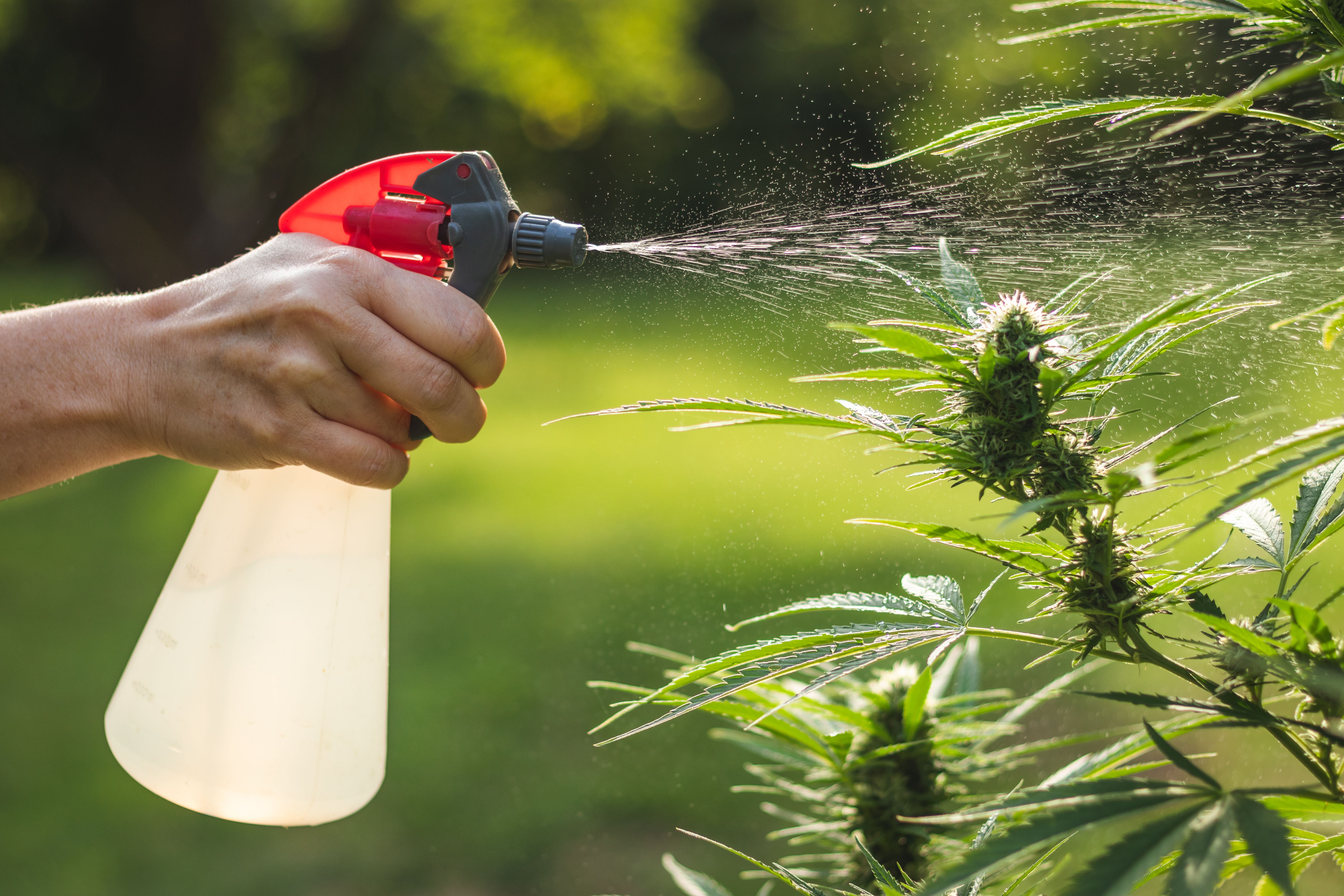
Summer is also a peak time for pests and diseases. Regularly inspect your crops and use natural predators or organic pesticides to manage any infestations. Maintaining crop health is essential to prevent yield loss.
Preparing for Fall Harvest
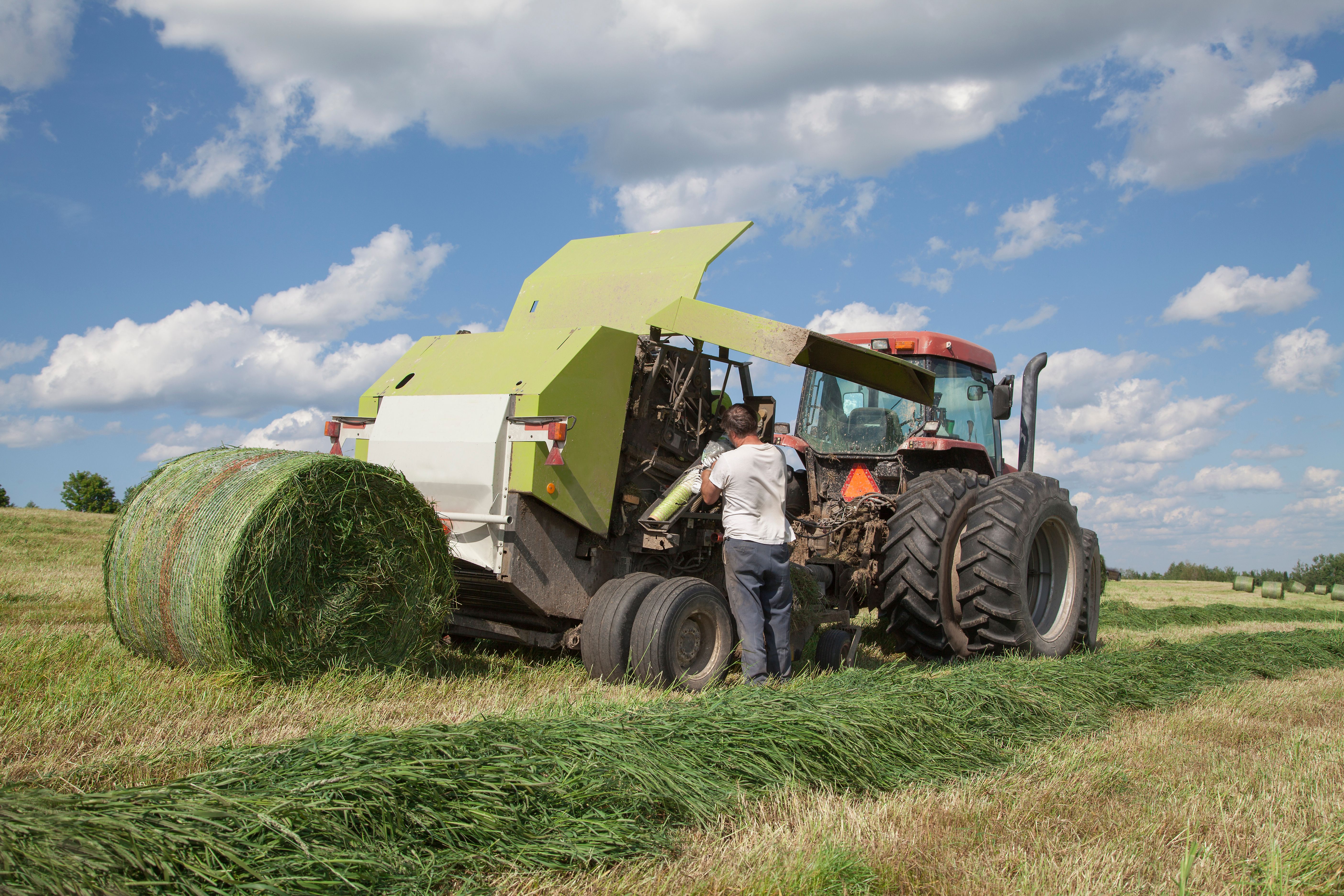
Fall is the time to prepare for harvest. Monitor your crops closely to determine the optimal harvest time, which can vary depending on hemp variety and intended use. Harvesting at the right moment ensures maximum potency and quality.
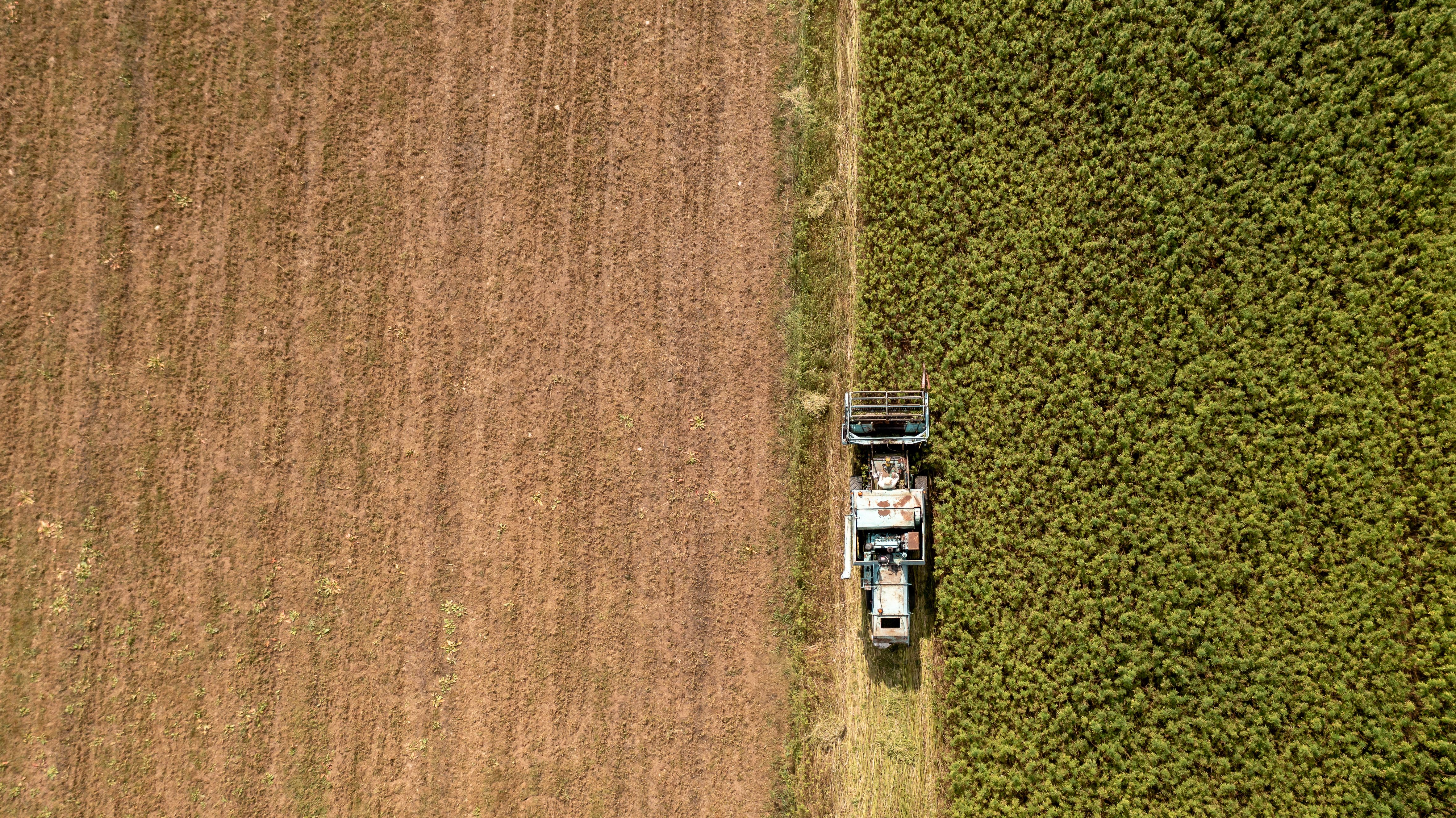
Ensure that your harvesting equipment is in good condition and ready for use. Properly drying and curing the hemp is vital for preserving its quality and maximizing its market value.
Post-Harvest Practices
After harvesting, focus on post-harvest practices such as drying, curing, and storage. Proper drying prevents mold and mildew, while curing enhances the flavor and potency of hemp products.
Winter Preparations
Winter is an excellent time for farm maintenance and planning. Review the past growing season and identify areas for improvement. Conduct equipment maintenance and make necessary repairs to ensure readiness for the next season.
Consider cover cropping to improve soil health and prevent erosion during the off-season. Cover crops can also add valuable nutrients back into the soil, benefiting the next growing cycle.
Planning for the Future
Use the winter months to strategize for the upcoming growing season. Evaluate market trends and adjust your planting plans accordingly. Staying informed and flexible is key to long-term success in hemp farming.