Navigating Ireland's Hemp Regulations: What You Need to Know


As the global interest in hemp continues to rise, understanding the regulations in different countries becomes essential for businesses and consumers alike. Ireland, with its unique legal framework, presents both opportunities and challenges for those involved in the hemp industry. Whether you're a farmer, producer, or consumer, navigating Ireland's hemp regulations is crucial.

Understanding Hemp Legislation in Ireland
Hemp, a variety of the Cannabis sativa plant species, is primarily grown for industrial purposes. In Ireland, the cultivation and processing of hemp are subject to specific regulations. The legal framework ensures that hemp production aligns with both national and EU laws.
One of the key aspects of hemp regulation in Ireland is the requirement for a license. Farmers and producers must obtain a license from the Health Products Regulatory Authority (HPRA) to legally cultivate hemp. This licensing ensures that the crop is grown under controlled conditions, maintaining the THC levels within legal limits.
THC Levels and Testing
The THC (tetrahydrocannabinol) content in hemp is a crucial factor in its regulation. In Ireland, the THC level must not exceed 0.2%. Regular testing is conducted to ensure compliance, and any deviation can lead to severe penalties, including the destruction of crops.
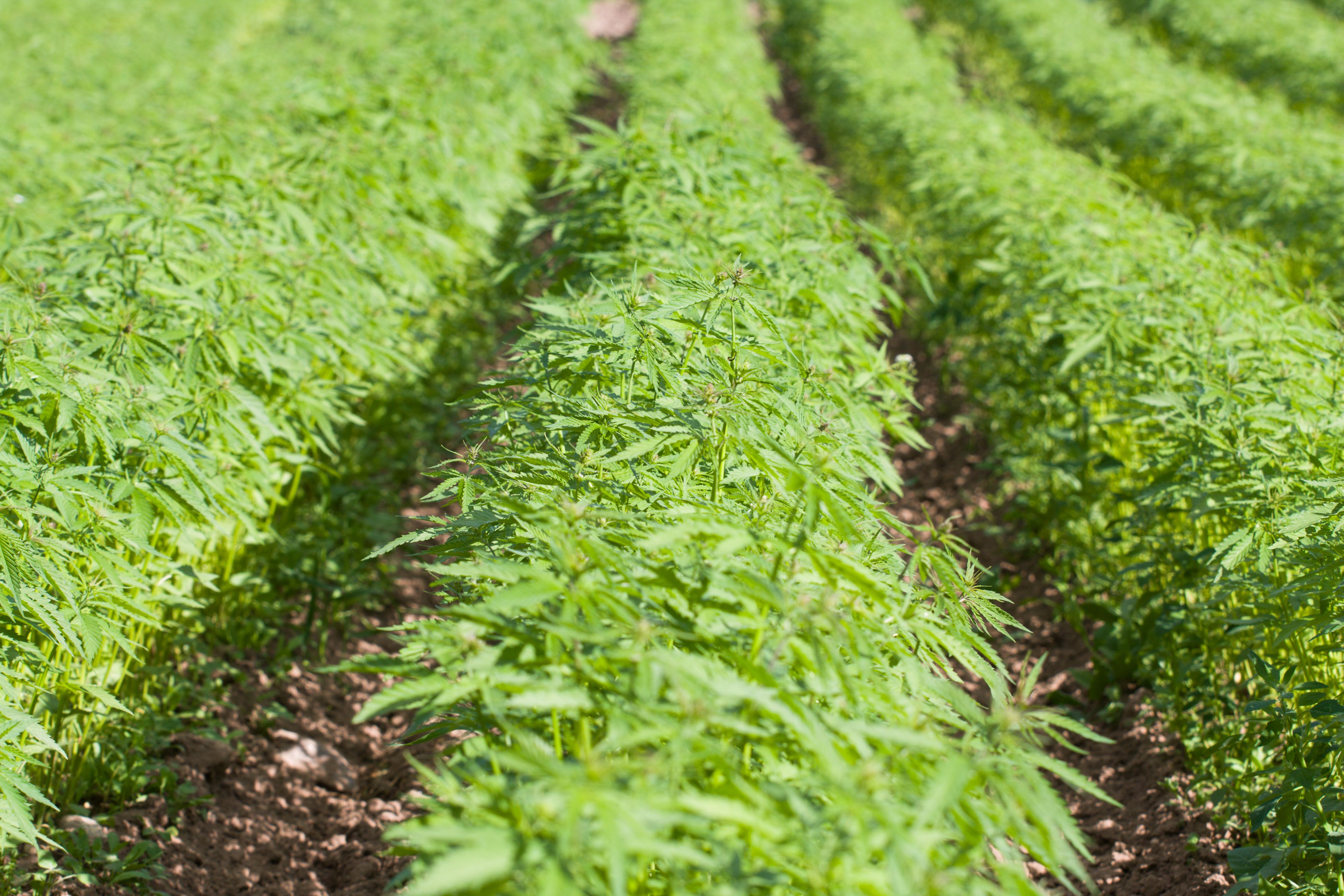
Producers must maintain detailed records of their cultivation processes, including seed varieties and testing results, to demonstrate compliance with these regulations. This transparency helps build trust and ensures that the industry remains sustainable and credible.
Opportunities for Hemp Businesses
Despite the stringent regulations, Ireland offers significant opportunities for those involved in the hemp industry. The demand for hemp-based products, such as CBD oils, textiles, and food products, is growing. Businesses that can navigate the regulatory landscape effectively stand to benefit from this expanding market.
Market Trends and Consumer Interest
The increasing awareness of hemp's versatility and environmental benefits has driven consumer interest. Hemp is not only used for its fibers but also for health and wellness products. The Irish market reflects these global trends, with more consumers seeking sustainable and natural alternatives.
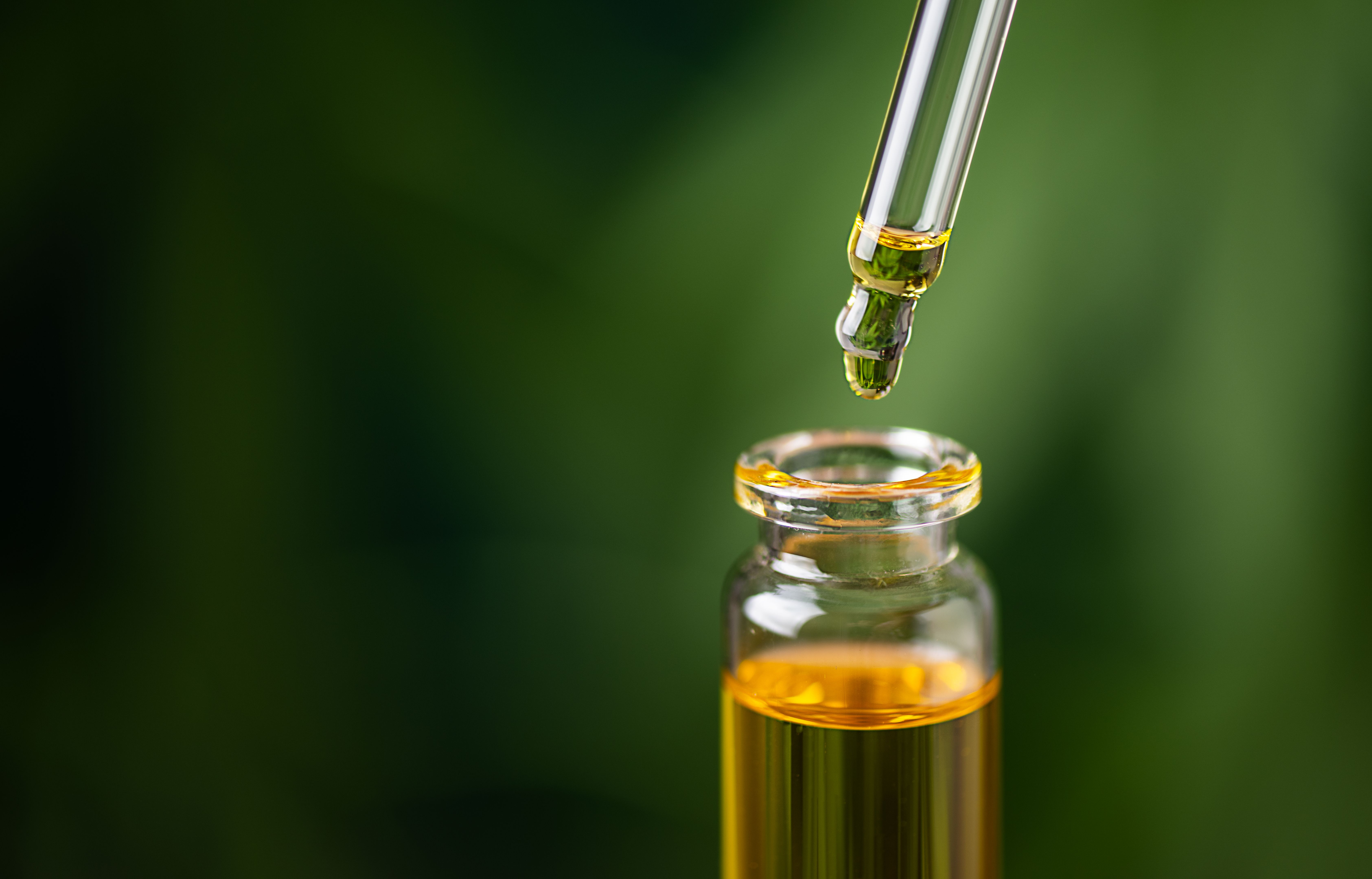
Additionally, educational initiatives and public awareness campaigns are helping to dispel myths about hemp, further driving its acceptance and integration into mainstream markets. This evolving perception offers a promising outlook for businesses willing to invest in hemp-related ventures.
Challenges and Considerations
Navigating the regulatory landscape requires careful planning and understanding. Compliance with Ireland's hemp regulations involves meeting strict criteria, which can be resource-intensive. Businesses must stay informed about legislative changes and adapt their operations accordingly.
Moreover, collaboration with regulatory bodies, industry associations, and other stakeholders is vital. Engaging with these entities can provide valuable insights and support, helping businesses overcome challenges and seize opportunities in the hemp industry.
In conclusion, Ireland's hemp regulations present both challenges and opportunities. By understanding the legal framework and staying informed about market trends, businesses can successfully navigate this dynamic industry and contribute to its growth and sustainability.