Exploring the Legal Landscape of Hemp Farming in Ireland


Introduction to Hemp Farming in Ireland
Hemp farming has gained significant attention in Ireland due to its economic potential and environmental benefits. However, navigating the complex legal landscape is crucial for farmers considering this venture. Understanding the regulations surrounding hemp cultivation is essential for ensuring compliance and success.
Legal Framework Governing Hemp
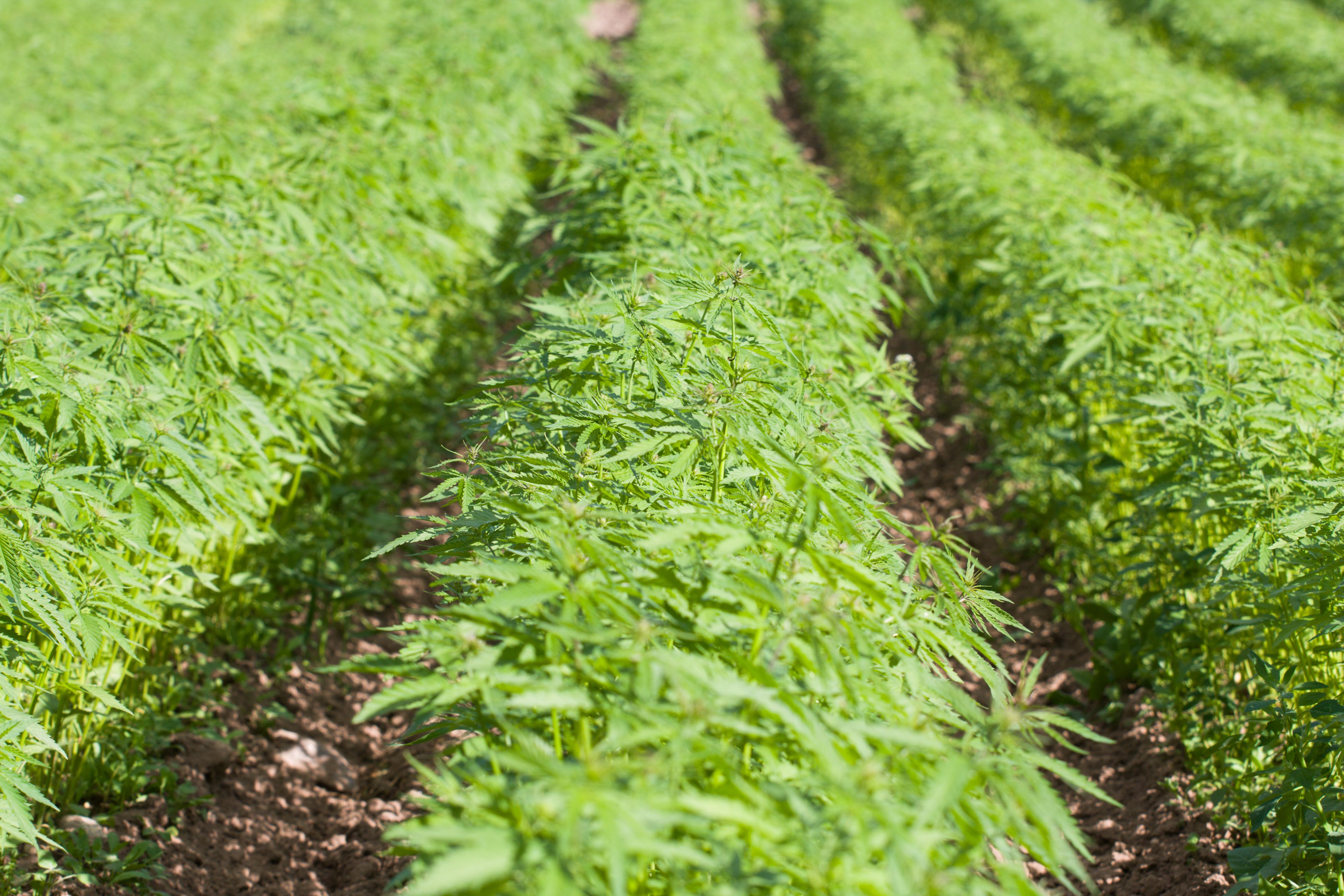
In Ireland, hemp is regulated under the Misuse of Drugs Act, which distinguishes it from its psychoactive cousin, cannabis. Hemp must contain less than 0.2% THC to be legally cultivated. Farmers must apply for a license from the Health Products Regulatory Authority (HPRA) to grow industrial hemp.
Application Process
The application process involves several steps, including providing detailed information about the cultivation site and intended use of the crop. Farmers must also demonstrate their understanding of the regulations and the measures they will take to ensure compliance.
Benefits of Hemp Cultivation
Hemp offers numerous benefits, from its versatility in producing various products such as textiles, food, and building materials, to its positive environmental impact. The plant is known for its ability to absorb CO2 and improve soil health, making it an attractive option for sustainable farming.

Economic Opportunities
With the global demand for hemp products on the rise, Irish farmers have the opportunity to tap into a lucrative market. Hemp's diverse applications create avenues for revenue generation, from CBD oil to biodegradable plastics.
Challenges and Considerations
Despite its potential, hemp farming is not without challenges. Farmers must consider factors such as crop rotation, pest control, and the initial investment required for cultivation. Additionally, the stigma surrounding cannabis can impact public perception and marketability.
Ensuring Compliance
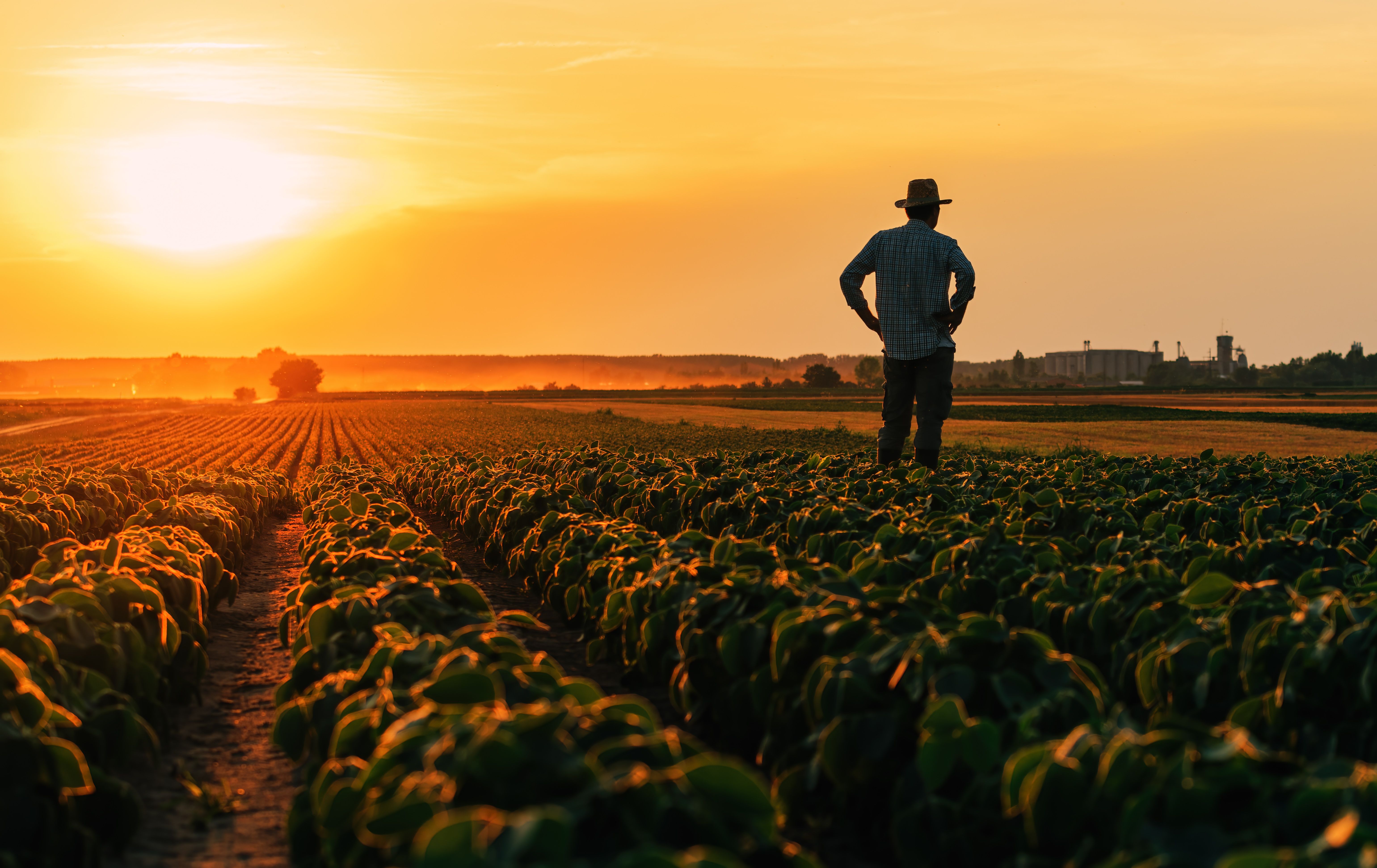
Adhering to legal requirements is paramount for hemp farmers. Regular monitoring of THC levels and maintaining accurate records are essential practices. Farmers should stay informed about any changes in legislation to avoid potential legal issues.
Conclusion
Exploring hemp farming in Ireland requires a thorough understanding of the legal landscape and a commitment to compliance. While challenges exist, the potential benefits and economic opportunities make it a promising venture for forward-thinking farmers. By staying informed and proactive, farmers can successfully navigate this evolving industry.