Debunking Common Myths About Hemp and CBD


Understanding Hemp and CBD
Hemp and CBD have gained significant attention in recent years, yet there are many myths surrounding these substances. Understanding the truth about hemp and CBD is crucial for consumers looking to make informed choices. In this post, we aim to debunk some of the most common misconceptions.

Myth 1: Hemp and Marijuana Are the Same
A prevalent myth is that hemp and marijuana are identical. While they both belong to the Cannabis family, they differ significantly. Hemp contains less than 0.3% THC (the psychoactive compound), while marijuana contains higher levels of THC, leading to its psychoactive effects. This distinction is crucial for understanding their different uses and legal statuses.
Hemp is primarily grown for industrial purposes, such as producing textiles, paper, and, of course, CBD products. Meanwhile, marijuana is cultivated for medicinal and recreational purposes due to its psychoactive properties.
Myth 2: CBD Gets You High
Another common misconception is that CBD, like THC, causes a high. In reality, CBD is non-psychoactive, meaning it doesn't produce the euphoric effects associated with marijuana. Instead, CBD is used for its potential therapeutic benefits, such as reducing anxiety, alleviating pain, and improving sleep.
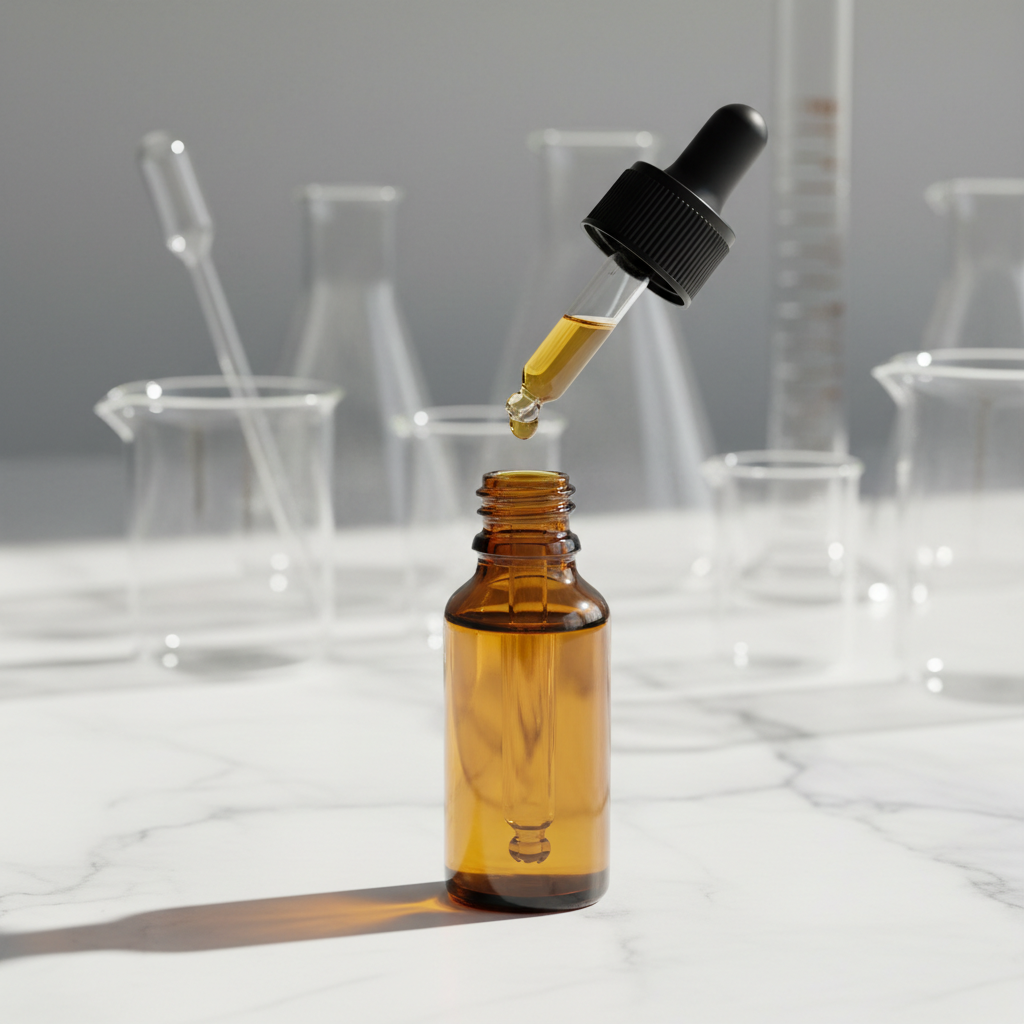
Many studies are ongoing to explore the full range of CBD's effects, but current research supports its safety and efficacy for various health concerns. It's important to choose quality products from reputable sources to ensure you're getting pure and effective CBD.
Myth 3: All CBD Products Are the Same
Not all CBD products are created equal. The market is flooded with various CBD oils, tinctures, edibles, and topicals, each differing in concentration, extraction method, and purity. Full-spectrum CBD contains a range of cannabinoids, including trace amounts of THC, while CBD isolate contains only pure CBD.
When selecting a CBD product, consider factors such as the extraction method and third-party lab testing. Look for products that provide transparency and detailed information about their ingredients.
Myth 4: Hemp Oil and CBD Oil Are the Same
While both hemp oil and CBD oil come from the hemp plant, they are not the same. Hemp oil is extracted from the seeds of the plant and contains little to no CBD. It's often used in cooking and skincare for its nutritional benefits, such as being rich in omega fatty acids.
CBD oil, on the other hand, is extracted from the flowers, leaves, and stalks of the hemp plant and is rich in cannabidiol. Understanding the difference is essential for consumers seeking specific benefits from these products.
Myth 5: CBD Is Illegal
The legal status of CBD can be confusing, but in many places, it is legal. In the United States, for example, the 2018 Farm Bill legalized the cultivation and sale of hemp-derived CBD products that contain less than 0.3% THC. However, regulations can vary significantly between countries and even states, so it's important to stay informed about local laws.

As the popularity of CBD continues to rise, staying informed and aware of these myths will help consumers make better choices. Always consult with healthcare professionals when considering CBD for therapeutic uses to ensure it's appropriate for your needs.