Comprehensive Guide to Hemp Farming in Ireland


Introduction to Hemp Farming in Ireland
Hemp farming in Ireland is gaining traction, offering a promising opportunity for sustainable agriculture. As global interest in hemp grows, Ireland is uniquely positioned to take advantage of this versatile crop due to its favorable climate and agricultural expertise. This guide provides an overview of hemp farming, focusing on key aspects that aspiring farmers need to consider.
Understanding Hemp and Its Benefits
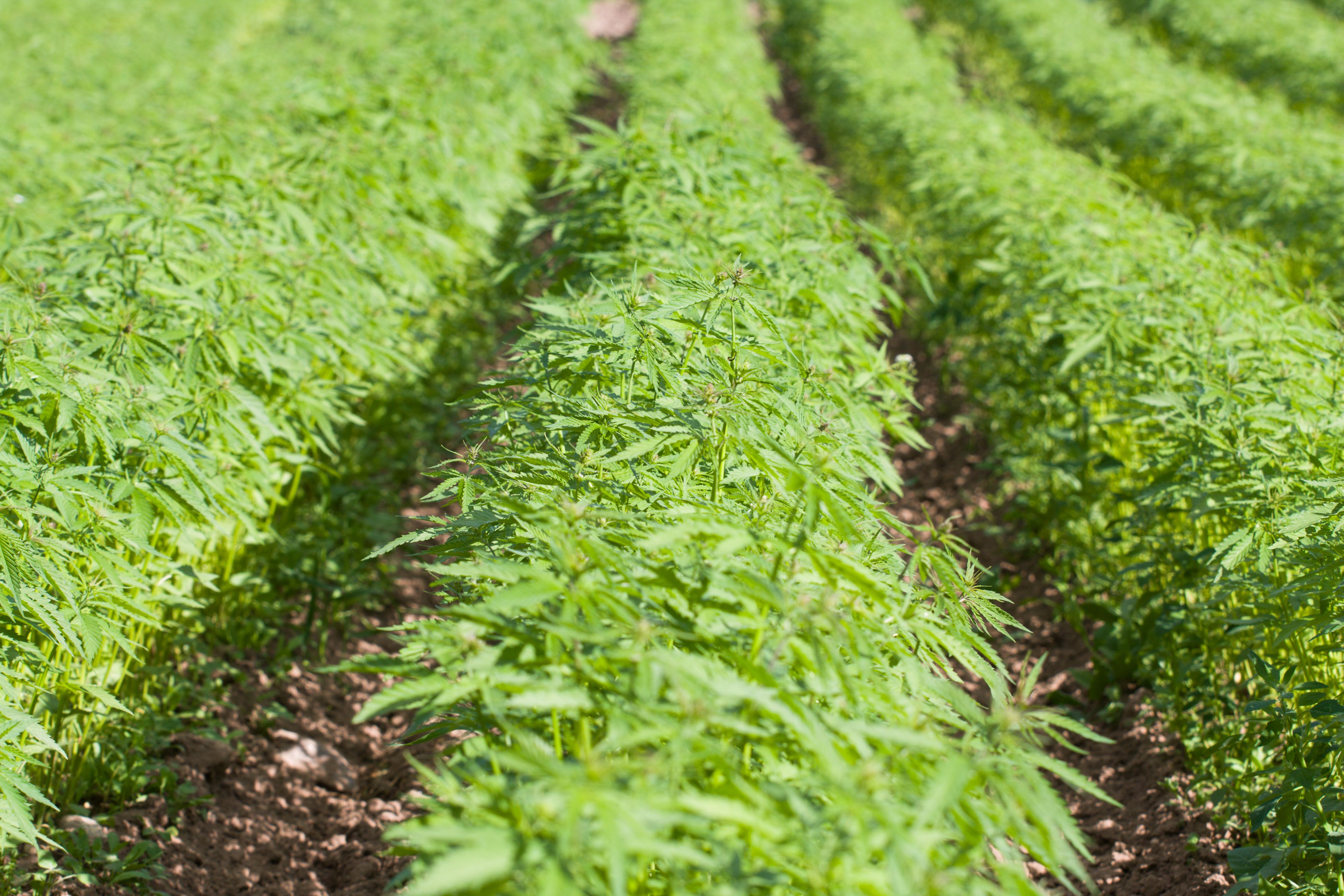
Hemp is a variety of the Cannabis sativa plant species that is grown specifically for industrial use. Unlike its more famous cousin, marijuana, hemp contains a very low concentration of THC, the psychoactive compound. This makes it a legal and non-intoxicating option for various applications, including textiles, food, and construction materials.
The benefits of hemp are numerous. It is a fast-growing plant that requires minimal pesticides, making it an environmentally friendly crop. Additionally, hemp has the potential to improve soil health and can be used in crop rotation to benefit other plants.
Legal Framework for Hemp Farming in Ireland
Before venturing into hemp farming, it’s crucial to understand the legal framework. In Ireland, hemp cultivation is legal but regulated. Farmers must obtain a license from the Department of Health to grow hemp, and the crop must contain less than 0.2% THC.
The licensing process involves several steps, including background checks and providing a detailed plan of the cultivation process. Compliance with these regulations is essential to legally operate a hemp farm in Ireland.

Climate and Soil Requirements
Ireland’s climate is well-suited for hemp cultivation, thanks to its moderate temperatures and ample rainfall. However, successful hemp farming requires careful consideration of soil quality. Hemp thrives in well-drained, loamy soil with a pH between 6 and 7.5.
Farmers should conduct soil tests to ensure optimal conditions. If necessary, soil amendments can be made to adjust pH levels and improve fertility. This preparation is crucial for achieving a healthy and productive hemp crop.
Steps to Start Hemp Farming
Starting a hemp farm involves several key steps:
- Research: Understand the market, regulations, and cultivation techniques.
- Licensing: Apply for the necessary permits and comply with legal requirements.
- Site Selection: Choose a location with suitable soil and climate conditions.
- Planting: Use high-quality seeds and follow best practices for planting and irrigation.
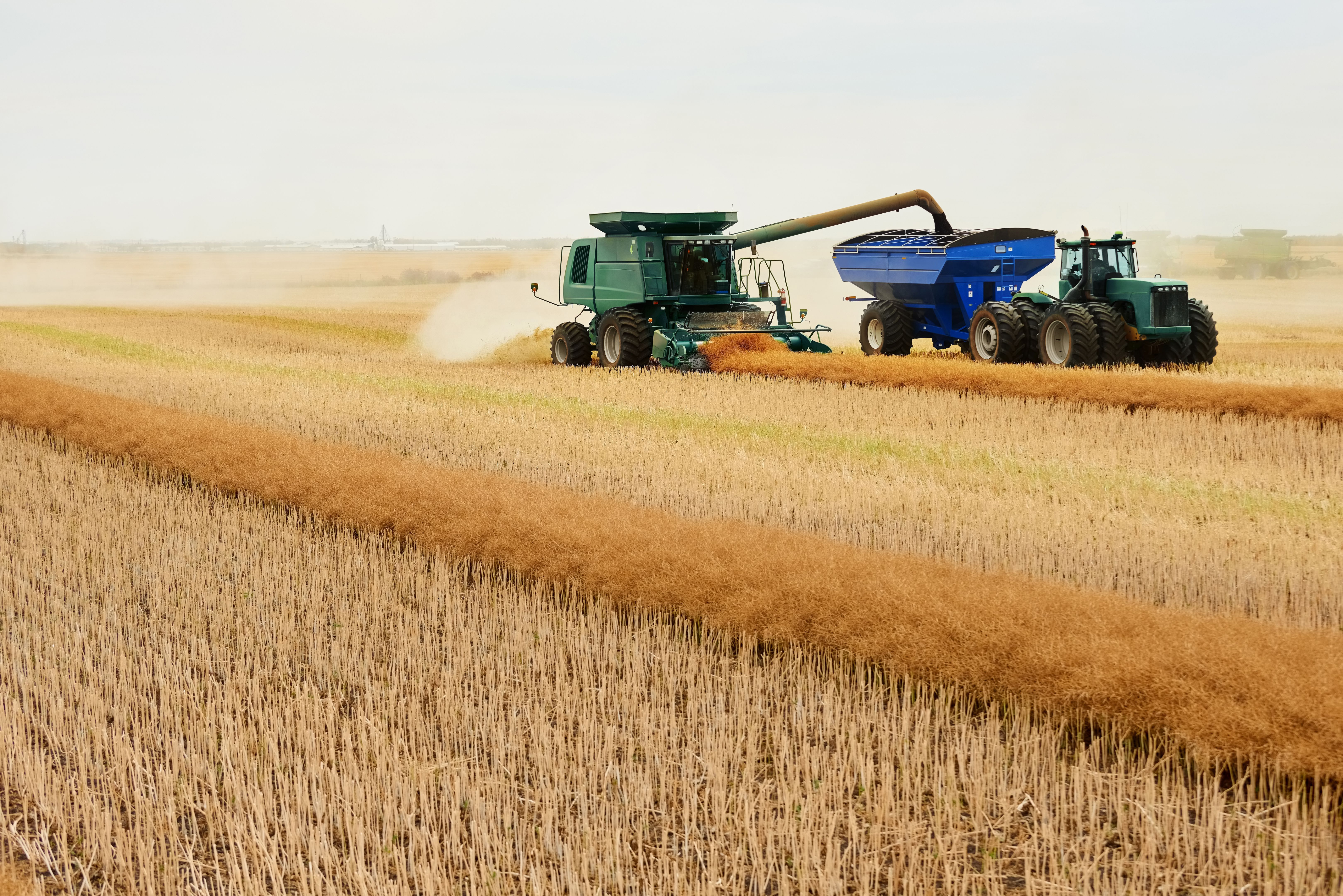
- Harvesting: Monitor crop maturity and use appropriate methods for harvesting the hemp.
Challenges and Considerations
While hemp farming offers numerous benefits, it also presents challenges. Farmers must stay informed about changing regulations and market dynamics. Additionally, hemp farming requires investment in equipment and infrastructure.
Pest management is another consideration. Although hemp is relatively pest-resistant, occasional outbreaks can occur, necessitating vigilant monitoring and intervention.
Conclusion
Hemp farming in Ireland presents a unique opportunity for sustainable agriculture and economic growth. By understanding the legal, environmental, and logistical aspects, farmers can successfully cultivate hemp and contribute to a growing industry. With the right approach, hemp can become a valuable addition to Ireland’s agricultural landscape.